Sydney’s summer is hard on roofs. UV degradation accelerates, sudden storms arrive without warning, hailstones up to 4cm have hit suburban Sydney three times in the last decade, and spring leaf-fall followed by summer humidity creates perfect gutter-blockage conditions. An afternoon of preparation in spring routinely prevents a chain of emergency repairs between December and February. This guide covers exactly what to check, fix, and book before Sydney’s storm season begins.
Why Spring Is the Critical Month
Most Sydney storm damage in summer is predictable damage. Weak spots — brittle flashings, corroded valleys, lifted Colorbond fixings, blocked gutters — were identifiable problems in October. They became leaks and ceiling damage in December because nobody looked. The interval between “minor maintenance issue” and “emergency callout” in Sydney is usually 2–6 weeks of heavy rain. Spring gives you the window to close that gap cheaply.
The Pre-Summer Checklist
1. Clean the Gutters (Priority #1)
Blocked gutters cause more Sydney summer roof damage than any other single factor. Water backs up under tiles, enters eaves, and drives insurance claims. If your gutters have visible leaf load or you can’t remember when they were last cleaned: clean them before November. DIY if you have safe access, or book a professional gutter clean.
2. Inspect for Broken or Slipped Tiles
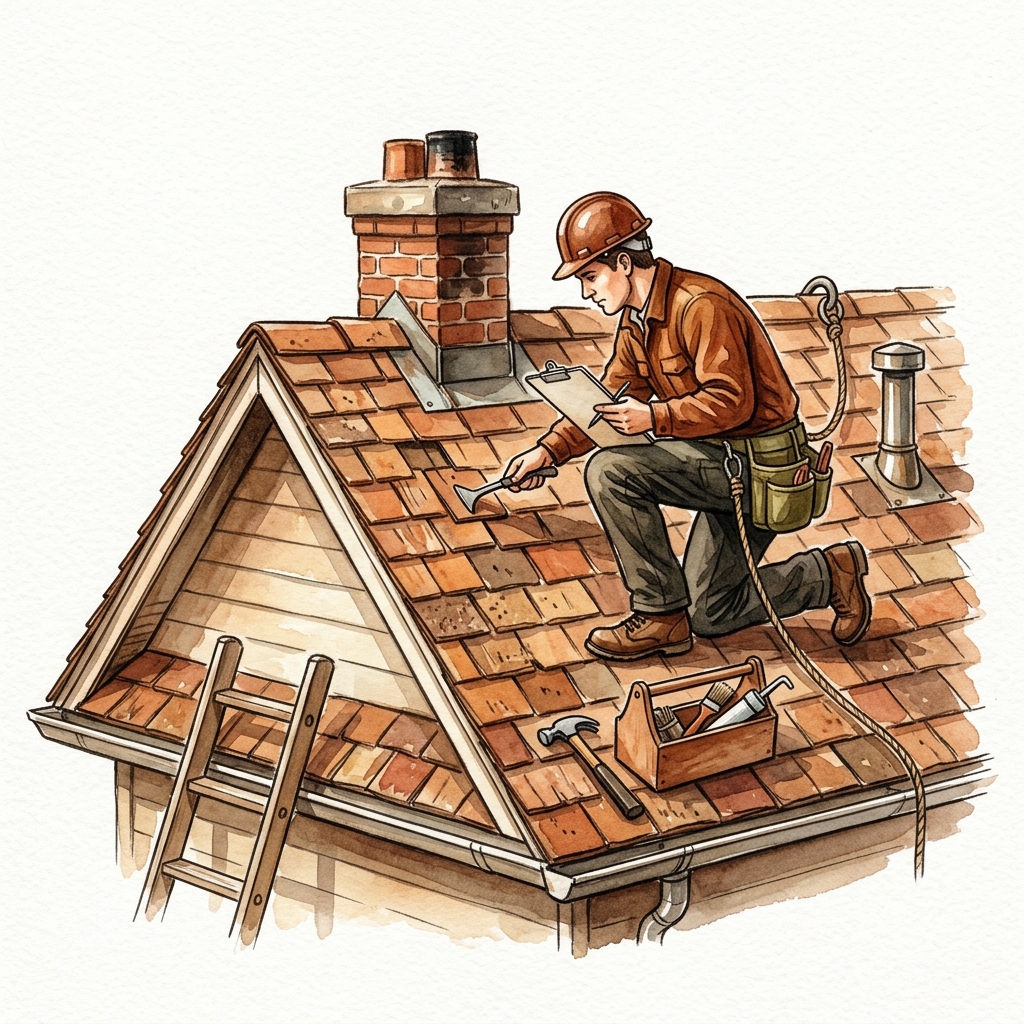
Walk around your home with binoculars. Look along the ridge lines, valleys, and eaves. Count visible damage. One or two broken tiles: book a repair. Six or more: book a proper inspection — it’s usually indicative of a bigger issue like failing underlay.
3. Check Valley Gutters for Rust
Valleys are the #1 leak source on Sydney homes 20+ years old. From ground level, look for rust stains running down from valley points. Any visible rust streaks mean valley replacement is due — it’s not a “wait and see” item because valleys don’t get better with time.
4. Trim Overhanging Branches
Sydney’s summer storms include strong winds that turn overhanging gum branches into battering rams. Any branch within 3 metres of your roof should be trimmed back by an arborist before November — book early since Sydney arborists fill up fast in spring.
5. Inspect Flashings and Penetrations
Every roof penetration — chimney, skylight, vent, whirlybird, aerial mount — is a potential leak source. These degrade invisibly. A professional inspection covers what’s impossible to see from ground level.
6. Secure Loose Items Around the House
Garden furniture, trampolines, loose BBQ covers, and outdoor decorations become missiles in a strong Sydney southerly. Anything loose in your yard is a potential roof-damage source. Secure or store anything not bolted down.
7. Check Stormwater Drainage
Downpipes should discharge cleanly to stormwater. Test each one with a hose. If water backs up, floods to surface, or you hear gurgling sounds, your stormwater is blocked somewhere downstream — common on older properties where roots have grown into pipework. This needs subcontractor attention before heavy rain arrives.
Hailstorm Considerations
Sydney has had three major hailstorms in the last decade (April 1999, December 2018, October 2020). Tiles crack and shatter; Colorbond dents. Neither roofing system is hail-proof, but metal handles hail better than tile. If you’re in a historically hail-prone area (western suburbs, parts of the Hills, Western Sydney generally), check your insurance coverage specifically for hail damage and make sure any excess is manageable. Hail claims are the most common Sydney insurance claim for roofing after storm.
Documenting the Pre-Storm State
Take photographs of your roof from ground level in every direction before summer begins. Date them. Store them with your insurance documents. This gives you “before” evidence if a storm causes damage. Insurers rarely dispute storm claims when backed by pre-storm photographs.
What To Do If a Storm Is Forecast
When the Bureau flags a severe thunderstorm warning for Sydney:
- Close windows and skylights. Seems obvious, often forgotten.
- Park cars undercover if possible — hail damage to panels is expensive.
- Bring pets inside.
- Have torches and bucket ready in case of leak.
- Keep your roofer’s number accessible. 0432 987 152 — save it now.
- Charge phones and have backup power for communication during potential outages.
After the Storm
Walk the perimeter of your house the next morning. Look for fallen tiles in the yard, dents in metal surfaces, leaks inside. Photograph any damage. Call your insurer to open a claim (you can cancel later if damage is trivial). Book a professional inspection within a week — some storm damage is invisible from ground level and only becomes apparent when the next rain arrives.
Book Spring Maintenance Now
Sydney roofers get slammed with inspection and maintenance requests in October–November. Book yours in August or September for best availability. We offer spring inspection and maintenance packages tailored to your roof’s age and condition — request a quote for details.