Every Sydney homeowner eventually asks the same question: is it time for a new roof, or can we get another decade out of this one? After 20+ years replacing and restoring roofs across the Sydney metro area, we’ve learned the tell-tale signs. This guide walks you through what to look for — from the ground, from the roof cavity, and in your ceilings — so you can make an informed call before small problems become expensive ones.
The Quick Rule of Thumb
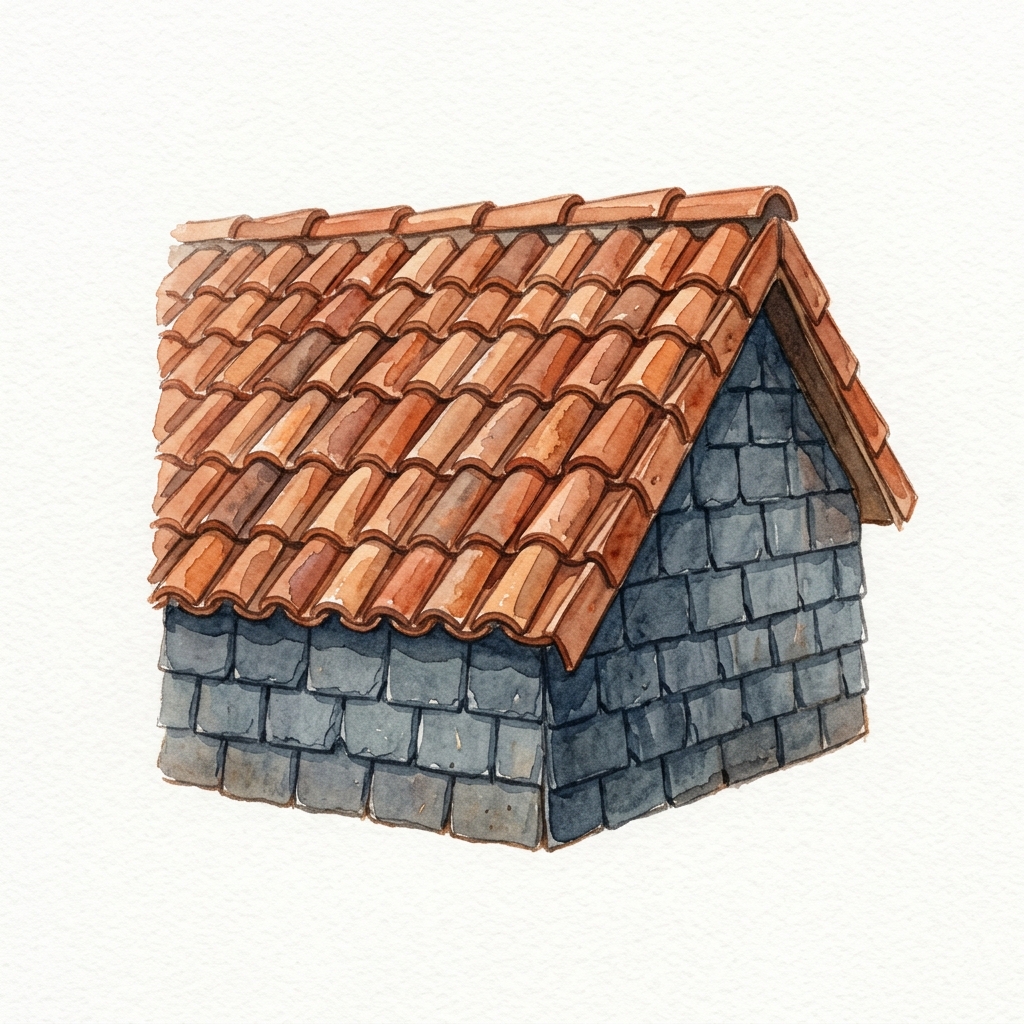
Most Sydney tile roofs last 30–40 years before the underlay fails and water starts reaching the ceiling. Colorbond metal roofs last 40–70 years. If your roof is approaching those ages and you’ve never had a major repair, you’re due for either a serious inspection or a re-roof. Age alone isn’t a reason to replace — but it shifts the question from “does anything need fixing?” to “how many more repairs before a full re-roof is better value?”
1. Water Stains on the Ceiling
Any ceiling stain — even a small brown ring — means water is getting past the roof system. It might be localised (a single broken tile, a failed flashing, a corroded valley) and fixable for a few hundred dollars. It might also be the first visible sign that the underlay has generally failed and water is now finding its way in through multiple points. The only way to know which one you’re facing is an internal roof cavity inspection. If you see stains in more than one room, it’s almost certainly the latter.
2. Broken, Missing, or Slipped Tiles
Look at your roof from the street with binoculars. Count visible broken, missing, or slipped tiles. One or two? A targeted repair visit. Six or more? Your roof has likely reached the point where broken tiles are going to keep appearing — usually because the battens or underlay beneath are failing, causing tiles to shift. Widespread tile damage is a strong re-roof signal.
3. Sagging Rooflines
Stand across the street and sight along the ridge and eaves. Any visible sag, dip, or wave indicates structural failure — usually from prolonged water damage to timber battens, trusses, or rafters. Sagging is serious. It rarely gets better and always gets worse. A sagging roof needs structural assessment immediately, not another round of pointing repair.
4. Granular Debris in Gutters
This applies to concrete tile roofs specifically. If your gutters are full of sand-like granular debris, your tiles are shedding their surface coating — the protective layer that keeps water out of the tile body itself. Once tiles are shedding granules, they absorb water, freeze/thaw cycles accelerate, and tile failure is imminent within 3–5 years. It’s not necessarily time to panic, but you should plan financially for a re-roof.
5. Rust-Through on Valleys, Flashings, or Metal Panels
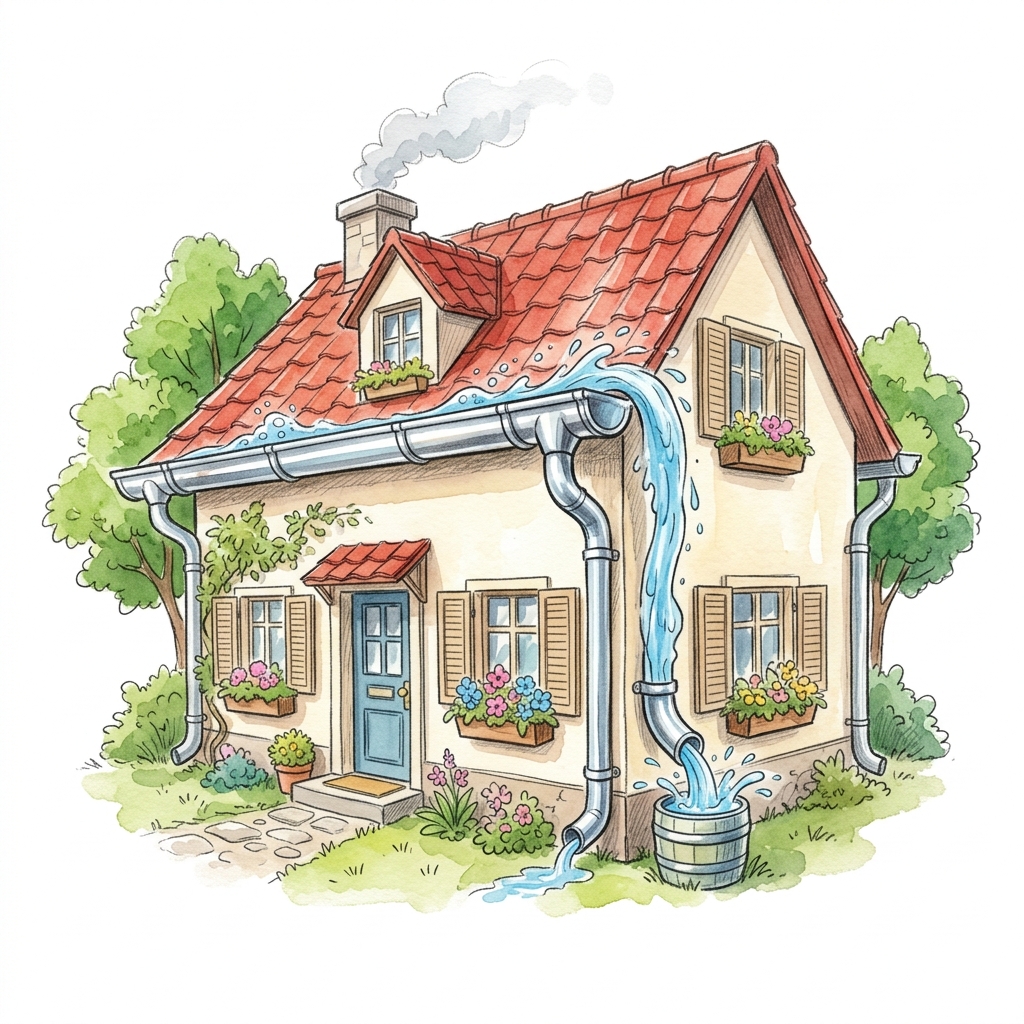
Valley gutters (where two roof pitches meet) are the single most common leak source on older Sydney homes. Rust pinholes invisible from the ground are responsible for a large fraction of the ceiling leaks we diagnose. If you can see rust stains running down the gutter or fascia from a valley, the valley itself is usually shot. Individual valley replacement is possible but if multiple are rusting, full re-roofing makes more financial sense.
6. Heritage Underlay at 25–30 Years
The underlay — the waterproof membrane under the tiles — has a 25–30 year service life in Sydney conditions. Tiles themselves often last 80+ years, but when the underlay fails, the tiles’ perfect appearance is deceiving. If your tile roof is 25+ years old and still has its original underlay, schedule an inspection. We can confirm underlay condition from within the roof cavity, and that single piece of information drives everything about whether restoration or re-roofing is the right call.
7. Multiple Recent Repairs With No Lasting Fix
If you’ve had three or more repair callouts in the last two years and new leaks keep appearing in different spots, you’re in the expensive twilight period of a tired roof. The economics flip around this point — continued piecemeal repairs cost more over five years than a full re-roof would have.
8. You’re About to Sell
An old-looking roof is one of the top three reasons buyers discount their offer in the Sydney market. If your roof is visibly tired and you’re planning to sell within 18 months, the calculation changes. A restoration that makes the roof look new for another 10 years routinely adds real value to the sale price, because it removes a major buyer objection. A full re-roof is rarely worth it pre-sale — but a restoration usually is.
When We’ll Tell You NOT to Replace
About 30% of inspections we do for “time to replace?” callouts end with us recommending targeted repair, restoration, or simply “leave it alone, it’s got another decade in it.” An honest roofer saves you money by not replacing things that don’t need replacing. If your underlay is solid, your structure is straight, and you’re only dealing with cosmetic tile fade or minor flashing issues, we’ll tell you. That’s the whole point of a proper assessment.
What to Do Next
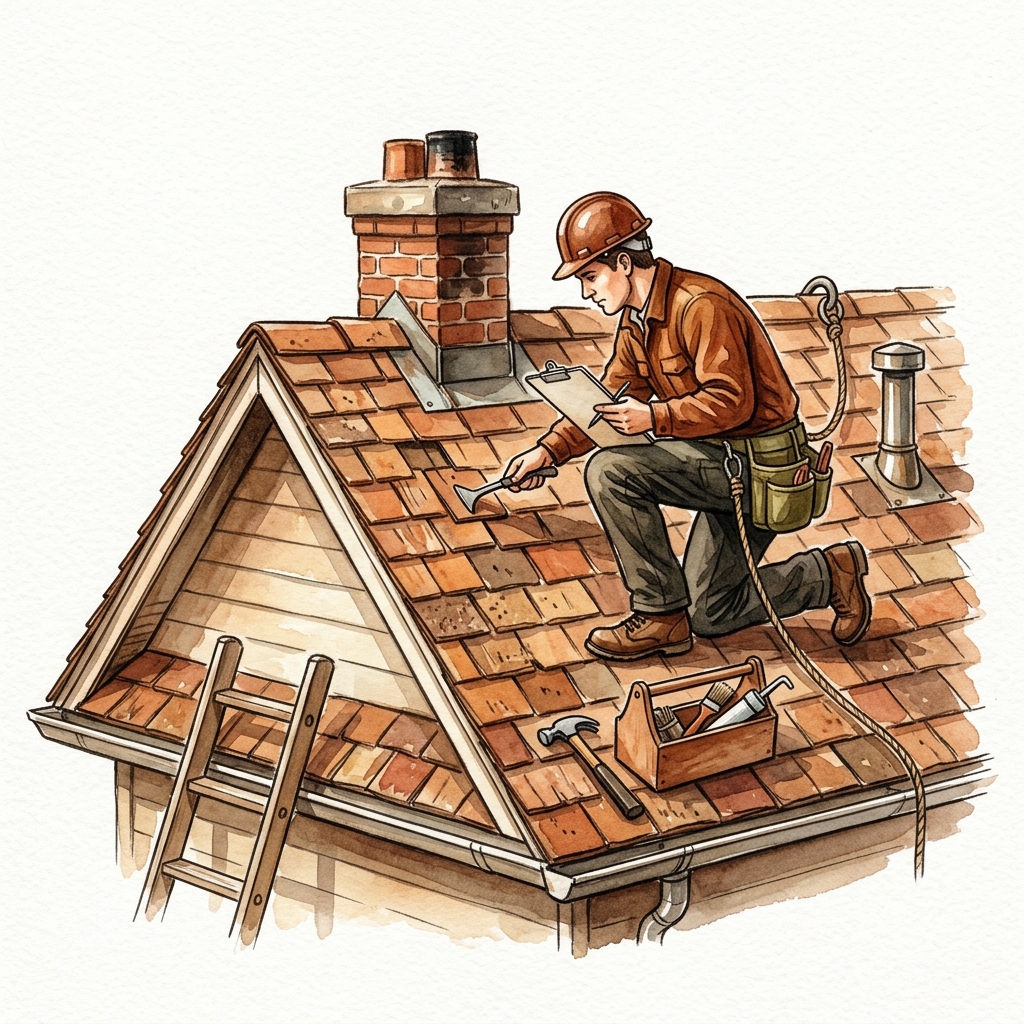
If you’ve ticked two or more items on this list, book a roof assessment. A proper inspection takes 45–60 minutes and produces a photographic report with a clear recommendation: repair, restore, or replace — with honest timelines and cost ranges. There’s no pressure to book the work through us. Our goal is to give you the information you need to make the right call for your property.