When it comes to protecting your home in Sydney, the choice between metal roofing and traditional tiling is one of the most significant decisions you will make. Both materials offer distinct advantages, but with Sydney’s varying climate—from scorching summer sun to intense coastal storms—one often emerges as the superior choice depending on your home, location, and budget.
The Rise of Metal Roofing in Sydney
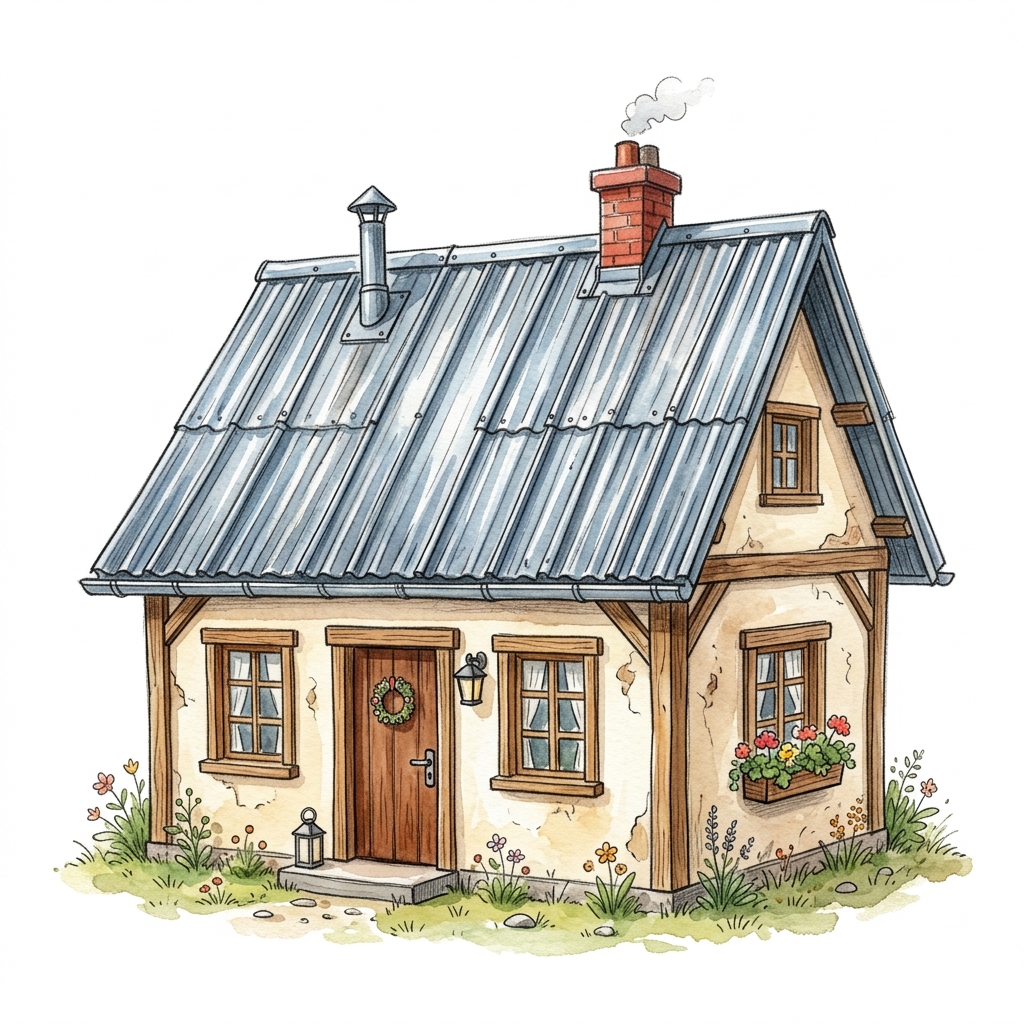
Colorbond® and other metal roofing solutions have become iconic in Australian architecture. Their popularity isn’t just about the sleek, modern aesthetic. Metal roofs are incredibly durable, lightweight, and offer excellent thermal performance when paired with the right insulation. In coastal Sydney suburbs like Bondi, Manly, and Cronulla, salt-resistant Colorbond grades are now the standard specification for new builds and re-roofs alike.
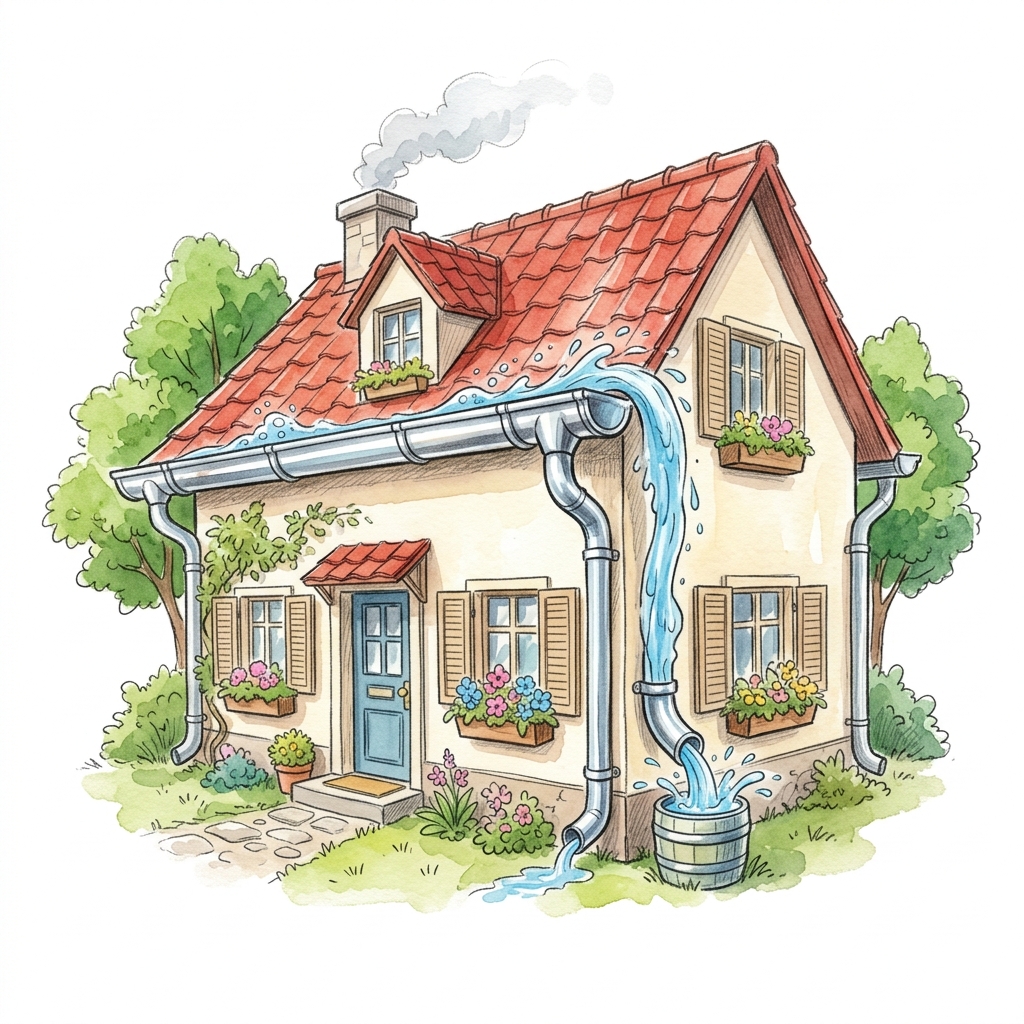
A properly installed metal roof can last 40–70 years with minimal maintenance. The panels interlock in long, continuous sheets that shed rain rapidly — a real advantage during Sydney’s sudden summer downpours, when tile roofs with aging underlay are most likely to leak.
Traditional Tile Roofing: Still a Classic
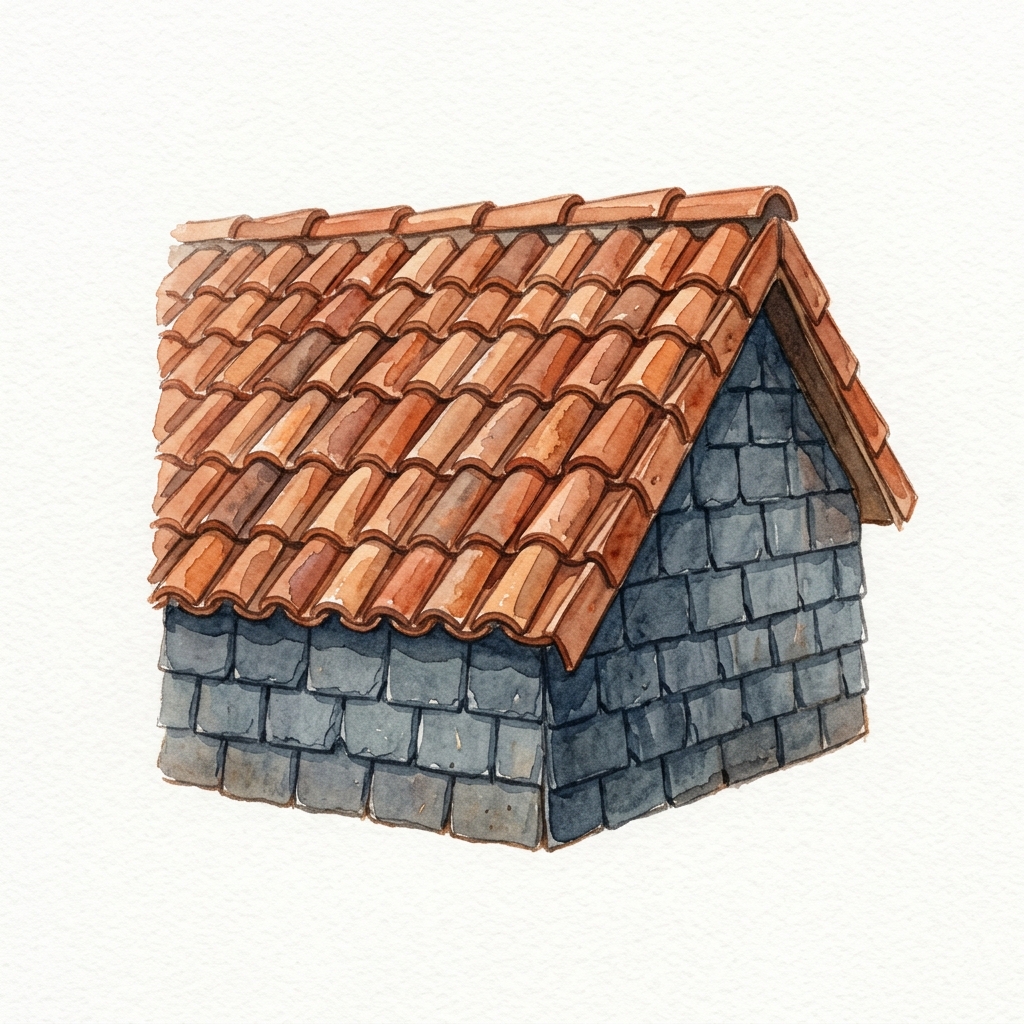
Terracotta and concrete tiles have covered Sydney homes for over a century, and they remain the dominant roofing on heritage properties, Federation houses, and many inner-west terraces. They’re thick, heavy, and — critically — they absorb sound, which is why tile-roofed homes feel quieter during heavy rain.
Tiles are individually replaceable, which makes spot repairs cheap and straightforward. The tradeoff is that the underlay and battens behind the tiles have a much shorter life than the tiles themselves — usually 25–30 years — so the “lifetime” of a tile roof is really the lifetime of what’s underneath it.
Sydney Climate Considerations
Sydney’s climate throws almost every weather event at a roof: UV-intense summers in the west, salt-laden winds on the coast, sub-tropical storms from the north, and cold southerly busters from the Antarctic. Each material handles these differently.
- Coastal exposure: Marine-grade Colorbond (Ultra) outperforms standard steel within 1km of breaking surf. Tiles are inherently salt-resistant but can become brittle over decades of UV exposure.
- Hail: Sydney’s 1999 and 2018 hailstorms showed tiles crack and shatter; metal dents but rarely fails. For insurance purposes, metal is often cheaper to cover in hail-prone suburbs.
- Bushfire zones: In BAL-rated properties around the Blue Mountains fringe, metal is mandated or strongly preferred — embers can lodge between tiles and ignite underlay.
- Heat: Light-coloured Colorbond (e.g. Surfmist, Shale Grey) reflects more solar radiation than dark tiles, reducing ceiling temperatures by 3–6°C on a 35°C day.
Cost Comparison
Upfront, concrete tile is typically the cheapest option in the Sydney market, followed by standard Colorbond, terracotta tile, and then premium standing-seam or architectural metal profiles at the top of the range. Every job is quoted individually based on your specific roof, so these are broad positions rather than price tags.
The honest calculation, though, is cost-per-year-of-service. A tile re-roof that needs an underlay replacement in year 28 often costs more over 50 years than a Colorbond roof that you essentially forget about. Upfront price isn’t the same as total ownership cost.
Noise: The One Real Metal Drawback
Metal roofs are noisier during heavy rain — full stop. Modern anticon blanket insulation and acoustic batts close the gap dramatically, but a tile roof will always be slightly quieter in a downpour. If you’re a light sleeper in a double-storey home with bedrooms on the top floor, this matters. For most Sydney homes with ceiling insulation to current code, the difference is modest.
Weight and Structural Considerations
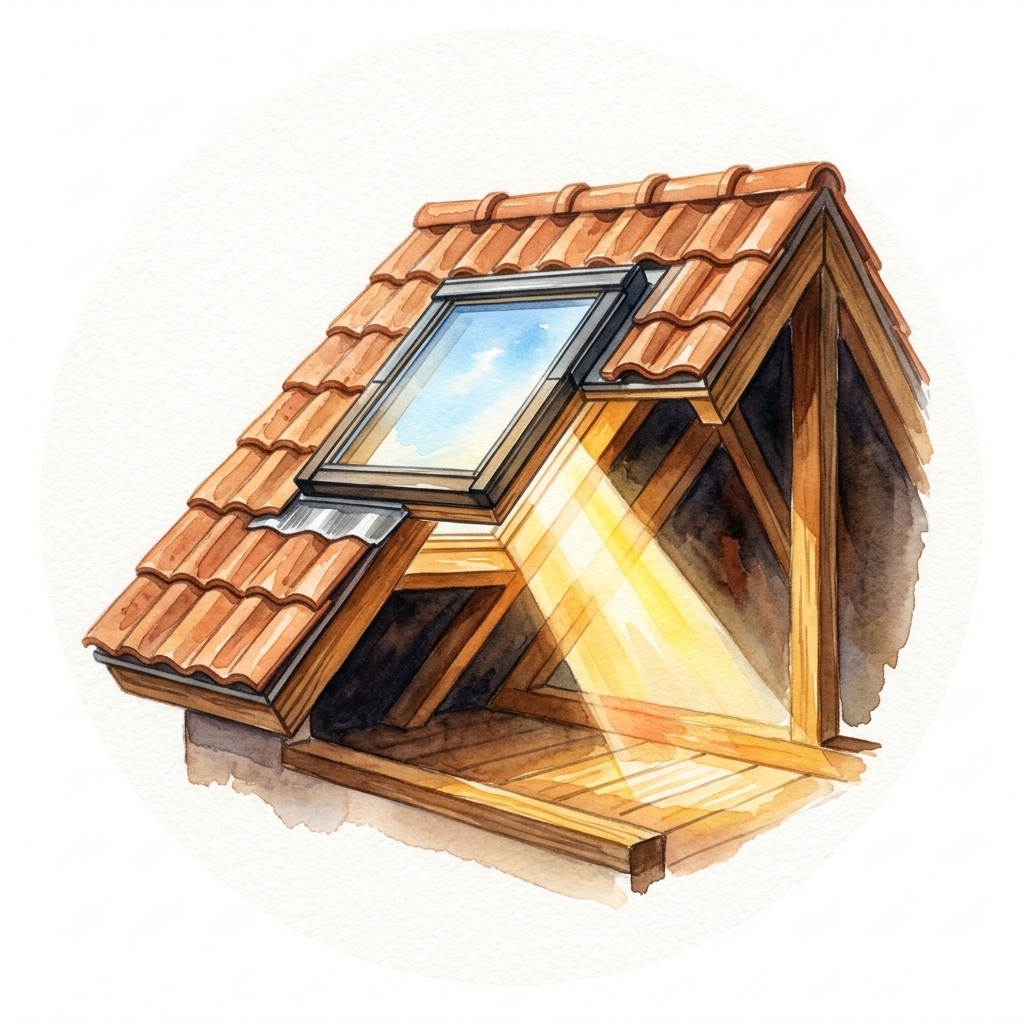
Concrete tiles weigh around 45 kg/m². Terracotta is similar. Colorbond weighs 5–6 kg/m² — roughly one-eighth the load. For older Sydney homes with timber frames, switching from tile to metal dramatically reduces structural stress, and can allow for safer attic conversions or solar arrays without trust reinforcement.
Going the other direction — replacing metal with tile — almost always requires an engineer’s report and often frame upgrades. It’s rarely worth the cost.
Maintenance Over 20 Years
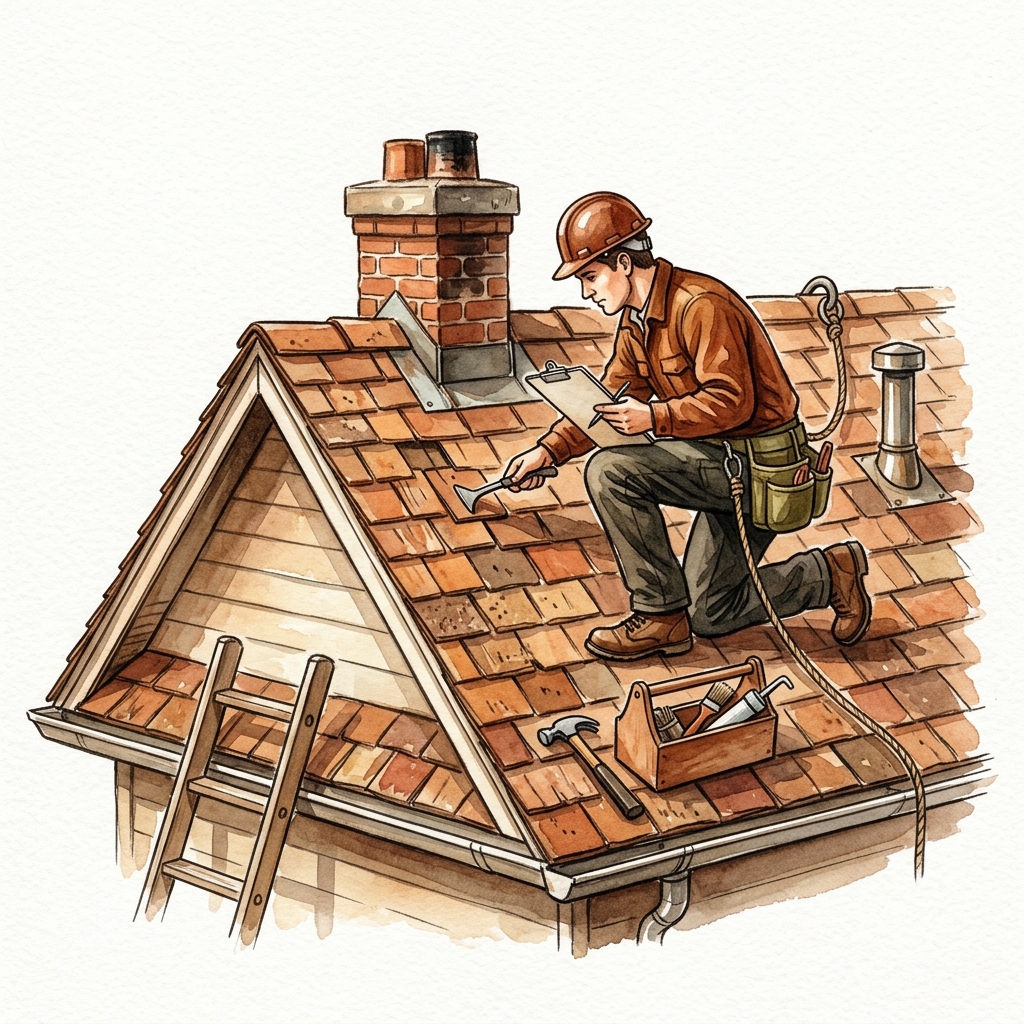
- Metal: Inspect fixings and sealants every 5 years; wash salt-exposed panels annually. No repainting needed on Colorbond within its 36-year paint warranty.
- Tile: Replace broken tiles as needed (1–2% per decade is typical), re-point ridge capping every 10–15 years, and budget for a full underlay replacement at 25–30 years.
Aesthetics and Property Value
In heritage overlay areas — think Paddington, Glebe, Balmain, parts of Newtown — council approval often restricts you to the original material, typically terracotta. Outside those overlays, buyer preference in 2026 leans metal: younger buyers read “metal roof” as modern, low-maintenance, and solar-ready. Older buyers in established suburbs still associate tile with permanence and quality.
Neither adds or subtracts much from valuation on its own; what matters is that the roof is in good condition, properly detailed, and visually consistent with the house.
So Which Is Best for Your Sydney Home?
If you’re in a bushfire-prone area, near the coast, planning solar, or simply want to walk away from roofing as a concern for the next 40 years — choose metal. It’s lighter, quicker to install, more storm-resistant, and ultimately cheaper to own.
If you own a heritage-listed property, you want the quietest possible roof, or your home’s architectural style depends on tile (Federation, Queen Anne, Mediterranean) — stay with tile, and budget seriously for the underlay replacement at year 28.
For most Sydney homeowners in a standard suburban setting — Ryde, Parramatta, Penrith, Sutherland, the North Shore — metal roofing is the sensible modern default. The long-term economics, storm performance, and reduced maintenance make it the choice we recommend for around eight out of ten re-roofing jobs we quote.
The Bottom Line
There’s no universal winner. There’s the right roof for your house, in your suburb, for your budget. At Top Hat Roofing we’ve installed both systems across Sydney for more than two decades, and we’ll tell you honestly when one is clearly the better fit — even when the answer means a smaller quote for us.
If you’re weighing up a re-roof or planning a new build, request a free on-site assessment. We’ll inspect your existing structure, walk you through the realistic options for your property, and give you a written quote with no pressure to decide on the spot.